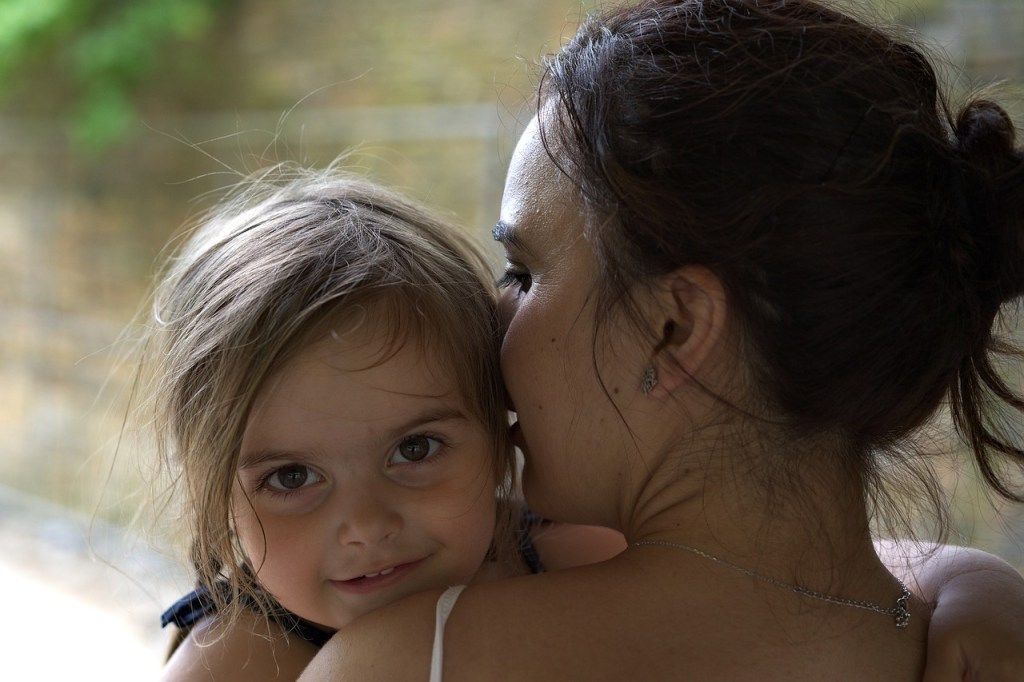
As a parent of a non-verbal child with Rett syndrome, I have often faced doubts and resistance, even from well-meaning professionals. However, after six months of effort, I am thrilled to share that my daughter has made incredible progress in potty training. Here’s how we succeeded, despite the challenges.
An Adapted Method: The 3-Day Approach
I decided to adopt the “3-day” method that I had used with her brother. This approach involves concentrating all our efforts on potty training for a short period of time, typically three days. During these three days, I would put my child on the potty at regular intervals (approximately every 1.5 to 2 hours), while holding her due to her hypotonia. I also purchased an HTS Rifton chair I found on Marketplace for when she gets older.
To anchor this learning in her mind, I created a little song: “Pee-pees, poo-poos, we do them on the potty.” I sang it every time she was on the potty to help this moment sink into her memory and subconscious. According to my husband, it really made a difference in the success we’ve had.
A Reward System
I knew my child was visual, so I set up a reward chart with stickers. Every time she succeeded, I would enthusiastically congratulate her, clapping and adding a sticker to her chart. After a month, the chart was full, and I decided to replace the stickers with an activity she loves: bubbles. After each success, I would blow bubbles and tell her how much of a champion she was, how intelligent she is, and how proud I was of her.
A Predictable Schedule
Consistency has been crucial in our process. After each meal and snack, I would help her sit on the potty, reminding her during meals that we would go to the potty right after. Even though she has no means of verbal communication, I could see how much she understands. She has surprised me many times, reinforcing my belief that her intelligence is very much present, encouraging me to pursue as many of the same life steps as possible for her as for her brothers and children her age.
Her brother has also played an important role in her learning. By seeing her succeed and encouraging her, he acted as a true agent of “peer pressure.” This motivated my daughter to excel.
A Message of Hope
I am surprised to find that potty training is often a neglected topic, even though it offers enormous benefits. Continence not only improves quality of life but also preserves the dignity of the person, helps prevent pressure sores, reduces urinary infections, and contributes to overall well-being.
I share our experience to encourage other parents of children with Rett syndrome or similar challenges. Don’t let doubts hold you back. With love, patience, and creativity, you too can experience incredible successes with your children.
Remember that every small progress deserves to be celebrated. My daughter is proud of herself, and I am proud of her. Together, we have proven that potty training is possible, regardless of the challenges.

 Cure Rett Canada
Leave a comment